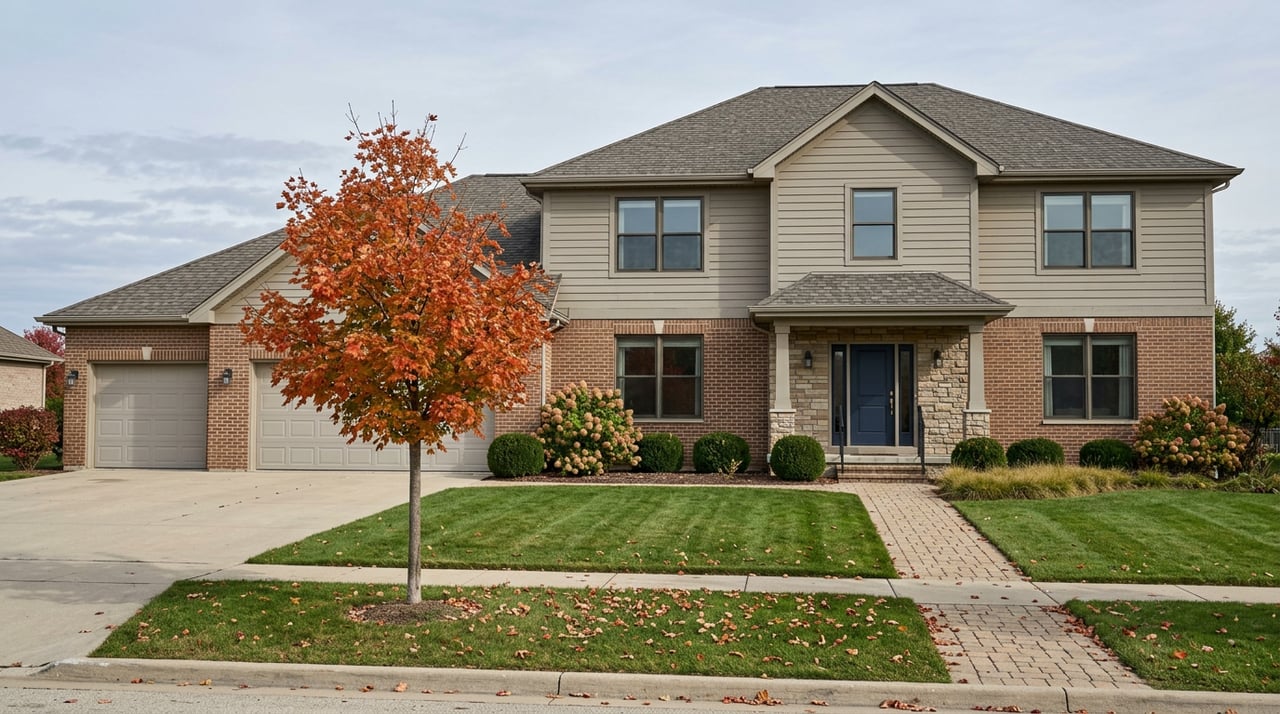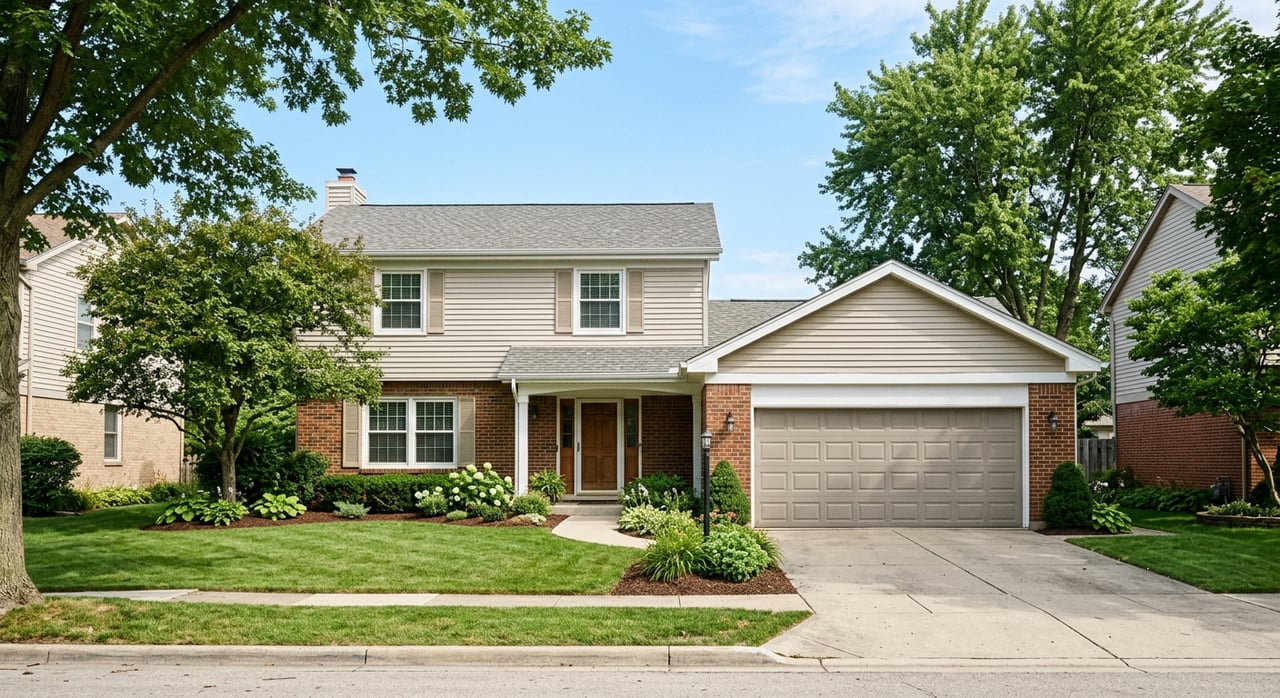
If you want an investment-friendly home in Darien, the best opportunities usually are not the dramatic fixer-uppers people imagine. In a mostly owner-occupied, higher-income suburb, the smarter play is often a house with solid fundamentals, visible deferred maintenance, and room for practical updates. When you know where to look and how to underwrite the numbers, you can spot value-add potential without taking on unnecessary rehab risk. Let’s dive in.
Why Darien Appeals to Investors
Darien has a stable housing profile that can appeal to renovation-minded buyers and small investors. According to the U.S. Census QuickFacts for Darien, the city has a population of 22,015, an owner-occupied housing rate of 78.8%, a median owner-occupied home value of $398,700, and a median gross rent of $1,857.
That matters because Darien tends to support measured, value-conscious investing rather than deep-distress speculation. In this kind of market, you are usually looking for homes that can benefit from cleanup, modernization, and selective improvements instead of full gut rehabs.
Recent market trackers also show a fairly defined finished-home value range. Redfin’s Darien housing market data reports a February 2026 median sale price of $407,250, while Zillow’s March 31, 2026 snapshot places average home value at $449,623. Those numbers use different methods, but together they suggest you should base your strategy on current finished-home values, not on hoping for major speculative appreciation.
What Makes a Home Investment-Friendly
In Darien, an investment-friendly home is usually one that has a clear path to improvement and resale or rental appeal without forcing you into an oversized renovation budget. The best candidates often have functional layouts, decent structural bones, and condition issues that are visible and fixable.
That can include:
- Dated paint colors and worn flooring
- Older lighting and hardware
- Tired bathrooms or kitchens that need refreshing
- Overgrown landscaping or exterior cleanup
- Deferred maintenance that looks manageable
These are often the kinds of updates that can improve presentation and usability without pushing the home beyond what the local market will support.
Start With Public Records
One of the best ways to find clues about a property is to review public records before you get emotionally attached to a deal. The DuPage County property lookup system lets you search by address, PIN, billing name, or map and review sales history, assessed value, transfer history, appeals, and tax bills.
This is especially useful when you are trying to understand whether a home has changed hands recently, whether tax history suggests major additions or work, and whether the property’s public record aligns with how it is being marketed. The county also notes that a large increase in value can indicate an added building, which can help you spot changes that may affect your numbers.
For investors, this step can help answer a few key questions early:
- Has the home sold recently?
- Is there a pattern in transfer history?
- Do tax changes suggest improvements or additions?
- Does the property look like it has been maintained consistently?
Use Permit History to Gauge Risk
Not every renovation is created equal. In Darien, one of the smartest ways to separate a cosmetic opportunity from a more complex project is to understand permit requirements.
The City of Darien permit and forms page explains that permits may be required for building, electrical, mechanical, plumbing, sewer, and grading work. The city also processes permit applications, contractor registration, payments, and inspections through its OpenGov system.
Permit-triggering work can include:
- Structural changes
- Roof tear-offs
- New or replacement A/C units
- Generators
- Decks and fences
- Driveways
- EV charging equipment
By contrast, the city says normal maintenance, same-size window and door replacement, superficial remodeling that does not affect structural elements, and fixture replacement are generally not permit-required for single-family homes. That is good news if your strategy centers on efficient, lower-risk improvements.
Cosmetic Rehab vs. Structural Project
This is one of the most important distinctions to make before you buy. A cosmetic rehab can often be easier to price, schedule, and manage. A structural project may still be worth doing, but it needs a different level of planning.
According to Darien’s guidance on whether you need a permit, work like paint, flooring, selective cabinet updates, fixture changes, and other superficial remodeling often fits the lower-complexity category. These projects can improve appeal without triggering major engineering or plan review.
On the other hand, if you are removing or adding walls, enlarging door or window openings, or moving plumbing or electrical work inside walls, Darien requires permits. The city also notes that structural changes require stamped architect or structural engineer documents. That means open-concept remodels and major layout reconfigurations should be treated like engineered projects, not simple updates.
A practical way to think about it is this:
| Project Type | Typical Complexity | Darien Consideration |
|---|---|---|
| Paint, flooring, fixtures | Lower | Often falls under normal maintenance or superficial remodeling |
| Bathroom or kitchen refresh | Moderate | Scope matters if plumbing or electrical is moved |
| Window replacement | Moderate | Same-size replacements are generally simpler than opening changes |
| Wall removal or room reconfiguration | Higher | Permit and stamped plans may be required |
| Roof tear-off or major systems work | Higher | Permit-driven with inspections and added timeline risk |
Watch for Deferred Maintenance Clues
Darien’s property maintenance code enforcement page can also help you think like an investor. The city actively enforces common issues such as tall grass, dead or diseased trees, unlicensed vehicles, garbage or rubbish, structural deterioration of roofs, eaves, fascia, fences, and sheds, plus peeling paint.
These conditions do not always mean a property is a bad buy. In fact, they can sometimes point to the kind of lower-cost cleanup and repair opportunity that works well for a small portfolio strategy. The key is to tell the difference between neglect that is mostly cosmetic and neglect that signals deeper system or structural problems.
Focus on Upgrades That Fit Darien
In Darien, the most realistic value-add strategy is often the one that respects the existing price band. If finished homes are trading roughly in the low-to-mid $400,000s, you want improvements that help the property compete well in that range rather than trying to force a luxury repositioning that may not pay off.
The safest upgrades are usually the ones buyers and renters notice right away and that improve function, comfort, or presentation. Think refreshed interiors, cleaner exterior appearance, and energy-efficiency improvements that make the home more practical to live in.
Cosmetic Updates With Broad Appeal
Cosmetic work tends to offer a cleaner path for many Darien opportunities. That can include fresh paint, new flooring, updated lighting, cabinet refacing or selective replacement, bath refreshes, appliance swaps, and landscaping cleanup.
Because these improvements often align with the city’s non-permit categories, they can help you improve the property without the cost and delay of a more involved rehab. For many small investors, that is where the best balance of risk and reward sits.
Energy Efficiency Improvements
Energy-efficiency upgrades can also be a smart value-add lane. The Department of Energy recommends starting with a home energy assessment and then prioritizing items like air sealing, insulation, duct sealing, moisture control, HVAC efficiency, smart thermostats, LED lighting, and ENERGY STAR appliances.
These upgrades can improve comfort and operating costs without necessarily pushing the property into a price tier the market may not support. That makes them useful for both resale strategy and rental performance.
ENERGY STAR’s window guidance adds another useful point: window heat gain and loss are a major source of residential energy waste, and upgrading to ENERGY STAR windows can lower household energy bills by about 12%. The same source notes that replacement windows typically cost about $400 to $1,600 per window, while storm windows can be a lower-cost option in some cases.
If the home was built before 1978, ENERGY STAR also notes that installers may need lead-safe precautions because of possible lead paint. That is an important budgeting detail for older homes that seem simple on the surface.
How to Estimate ARV in Darien
When you are evaluating a potential deal, your after-repair value should come from sold comparables, not from the seller’s asking price. Start with DuPage County property records to review sales and transfer history, then compare the property with recent sold homes that are similar in size, bed and bath count, lot type, and condition.
This matters because asking prices can reflect optimism, while sold comps reflect what buyers actually paid. In a market like Darien, where public data suggests a typical finished-home range around $407,250 to $449,623, your safest deals are often the ones whose post-repair value lands comfortably inside that range.
A practical underwriting sequence looks like this:
- Review public records and transfer history.
- Identify visible condition issues and likely rehab scope.
- Separate cosmetic work from permit-driven or systems work.
- Build ARV from comparable sold homes.
- Stress-test the timeline if permits, inspections, or stamped plans may be needed.
How to Think About Rental Numbers
If you are buying for rental income, it helps to use more than one public data point. The Census QuickFacts for Darien shows a median gross rent of $1,857, while the research report notes Zillow’s March 2026 average rent at $2,263 and Redfin’s rental market figure at $2,357.
Those differences are normal because each source measures rent differently. The best approach is to triangulate public rent data with recent active listings and comparable leases so you can build a more realistic rent range for the specific property you are considering.
A Smart Darien Strategy
If you are searching for investment-friendly homes in Darien, the goal is not just to find a discount. It is to find a property where the scope, permits, budget, and resale or rental potential all make sense together.
In many cases, that means looking for homes with manageable deferred maintenance, cosmetic upside, and practical efficiency upgrades rather than dramatic reconfigurations. With the right research and local guidance, you can avoid over-improving the property and focus on the updates most likely to support your return.
If you want help identifying properties, reviewing value-add potential, or building a strategy around your goals in Darien, connect with Tatiana Hernandez. Her investor experience, local market knowledge, and hands-on guidance can help you evaluate opportunities with more confidence.
FAQs
How can you tell if a Darien home is a cosmetic rehab?
- A Darien home is more likely a cosmetic rehab if the work involves paint, flooring, fixtures, landscaping cleanup, or other superficial updates rather than wall changes, moved plumbing, or major systems work.
What public records are most useful for Darien investment analysis?
- The most useful public records for Darien investment analysis are DuPage County property records, including sales history, transfer history, assessed value, tax bills, and related recorder documents.
Do renovation projects in Darien usually require permits?
- Some do and some do not. Darien generally requires permits for structural, electrical, plumbing, mechanical, sewer, and certain exterior projects, while normal maintenance and some superficial remodeling may not require permits.
Which upgrades are most likely to add value in Darien?
- In Darien, practical cosmetic improvements and energy-efficiency upgrades are often the safest value-add choices because they improve usability and presentation without overcapitalizing the property.
How should you estimate after-repair value for a Darien property?
- You should estimate after-repair value by using recent sold comparables that match the home’s size, condition, and features rather than relying on asking prices or broad market averages alone.
Is Darien better for deep rehabs or lighter value-add projects?
- Based on current market conditions and permit considerations, Darien often fits lighter value-add and careful repositioning projects better than deep-distress or highly speculative rehabs.