Trying to decide between Chicago and the west suburbs can feel like choosing between two very different versions of daily life. You may be balancing budget, commute, housing style, and how much space you really want. The good news is that there is no one-size-fits-all answer, only the option that fits your priorities best. This guide will help you compare Chicago, Downers Grove, Darien, and Burr Ridge so you can make a confident move. Let’s dive in.
Start With Your Budget
For many buyers, price is the first filter because it shapes everything else. In March 2026, the median sale price was $410,000 in Chicago, $472,500 in Downers Grove, $485,000 in Darien, and $737,500 in Burr Ridge.
That creates a clear ladder. Chicago had the lowest median sale price in this group, while Burr Ridge sat at the top by a wide margin. If your goal is to keep your entry price lower, Chicago may give you more options to start with.
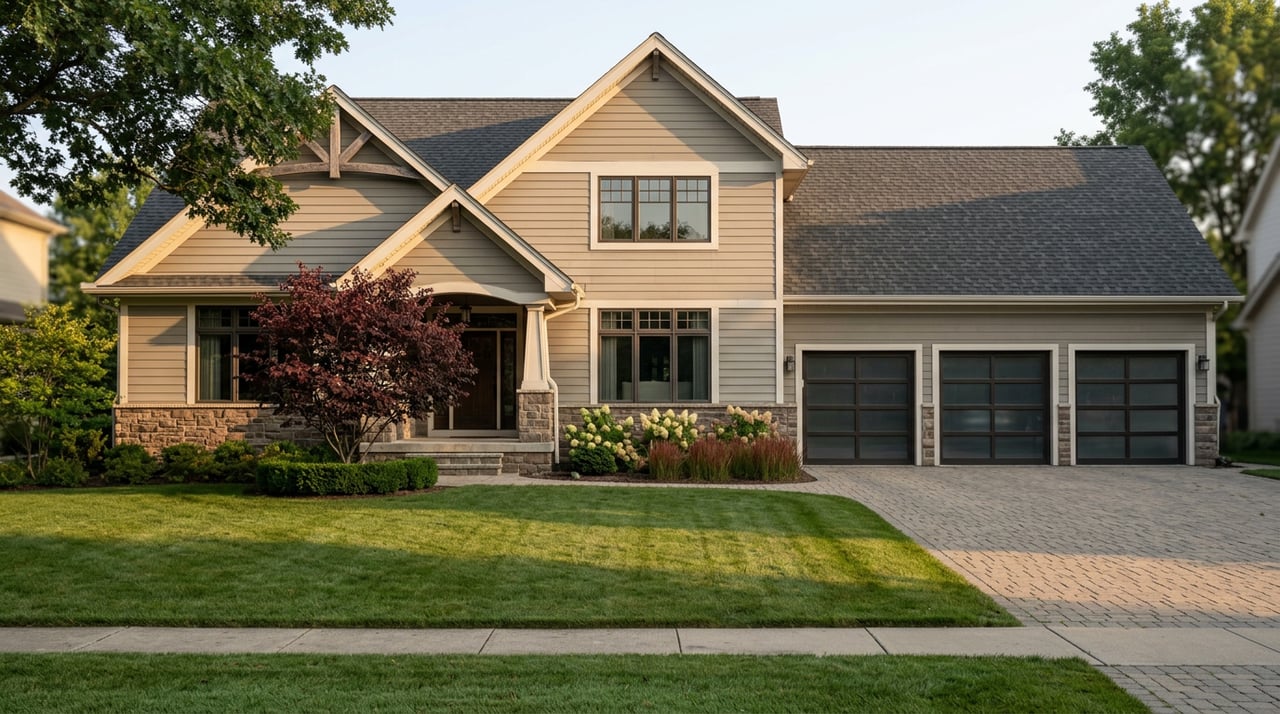
If you have more flexibility in your budget and want more exterior space, the suburbs begin to open up. Downers Grove and Darien sit in a middle range, while Burr Ridge is the premium choice for buyers who want a larger-property feel.
Compare Ownership and Housing Style
One of the biggest differences between Chicago and the west suburbs is the overall housing environment. Chicago’s owner-occupied housing rate was 45.5%, compared with 75.2% in Downers Grove, 78.8% in Darien, and 94.0% in Burr Ridge.
That matters because it reflects how each market tends to feel. Chicago has a larger renter and transitioning-household segment, while the west suburbs are more owner-occupied. If you are looking for a place where detached homes are a more dominant part of the housing mix, the suburbs will likely feel more aligned.
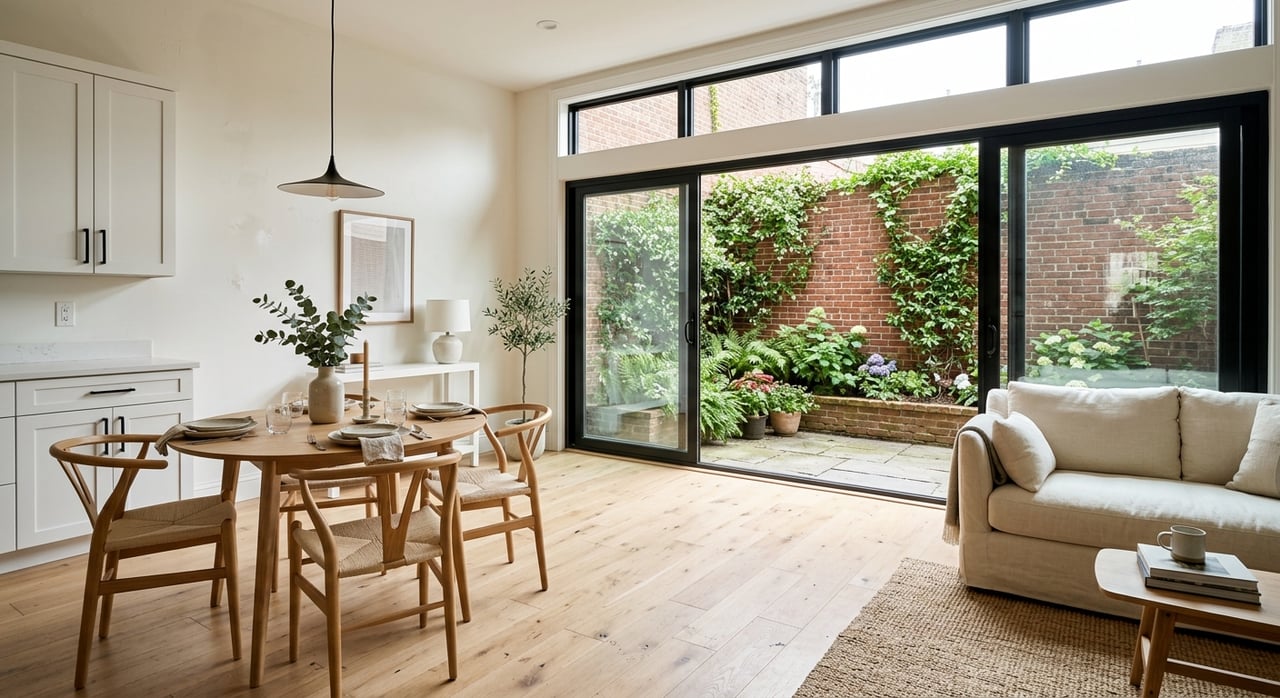
Chicago also has a much broader range of housing types. City materials describe 77 community areas and more than 200 neighborhoods, with both homes and apartments across the city. In practical terms, that usually means more condos, townhomes, smaller lots, and lower-maintenance options than you will typically find in the west suburbs.
Think About Space and Lot Size
If yard space, privacy, or room to grow are high on your list, this is where the west suburbs stand out. Local zoning and planning documents show meaningful differences in lot standards across these communities.
Downers Grove offers a suburban pattern with varying lot sizes. Official village materials reference residential districts with minimum lot areas such as 10,500 square feet and minimum lot depth standards of 140 feet for newly created lots in some cases.
Darien has a strong detached-home pattern as well. Its code sets a minimum lot area of 11,000 square feet and a minimum lot width of 65 feet for single-family detached dwellings.
Burr Ridge places the greatest emphasis on space. Its zoning materials state that single-family detached dwellings should average 16,000 square feet, with no lot smaller than 14,000 square feet except in certain cluster-style arrangements.
Chicago, by contrast, is generally the best match if you want flexibility and lower exterior maintenance. If mowing a large yard every weekend does not sound appealing, city living may fit your lifestyle better.
Match Your Lifestyle to the Area
A helpful way to think about this decision is to picture your normal week. Do you want to walk or take transit more often, or are you comfortable driving most days? Do you want a smaller home with easier upkeep, or do you want more indoor and outdoor room?
Chicago tends to work well for buyers who value variety, urban convenience, and a wider mix of housing forms. You may find that the city gives you more choices across different neighborhoods and price points.
Downers Grove often feels like the middle ground. It is suburban, but its housing pattern includes variation in lot size and a strong single-family presence. For many buyers, that balance can be appealing if you want more space without going all the way to a premium low-density market.
Darien offers a smaller and more straightforward suburban setup. If you prefer a detached-home environment, simple neighborhood patterns, and a quieter residential feel, Darien may be worth a closer look.
Burr Ridge is the most space-forward option in this comparison. Village planning documents describe it as a low-density suburban community with distinctive homes in natural wooded settings. If privacy and lot size are top priorities, Burr Ridge is the clearest fit, but it also comes with the highest pricing in this group.
Consider Schools by Structure
If school options matter in your move, it helps to compare the structure of each area rather than rely on assumptions. Chicago offers the broadest menu by far. Chicago Public Schools reported 316,224 students in the 2025-26 school year across 630 schools, including district-run, charter, contract, and SAFE schools.
That means Chicago is structurally different from the suburbs when it comes to scale and variety. If you value having many options within a large urban system, the city stands out.
Downers Grove has a more straightforward feeder pattern. District 58 serves about 4,900 pre-K through 8th-grade students in 11 elementary schools and 2 middle schools, and the district states that all schools earned Exemplary or Commendable, the state’s highest designations. Community High School District 99 serves more than 4,500 students in two high schools.
Darien is more compact. Darien School District 61 serves about 1,300 students across three grade-level center schools, and Hinsdale South High School is located in Darien and serves more than 1,300 students. If you want a smaller school structure, Darien may feel simpler to navigate.
For Burr Ridge, school assignment should be verified by exact address before you make a decision. Its low-density layout can make district boundaries and assignments more address-sensitive.
Break Down the Commute
Commute is not just about minutes. It is also about how you prefer to get around. Census data from 2020 through 2024 show mean travel times to work of 33.1 minutes in Chicago, 27.8 minutes in Downers Grove, 28.7 minutes in Darien, and 29.2 minutes in Burr Ridge.
Chicago has the strongest transit profile in this group. City materials say about 1.5 million commuters ride Chicago trains and buses every day. If you want a transit-rich lifestyle, the city has a clear advantage.
Downers Grove is especially attractive for rail commuters. Metra’s BNSF line serves Downers Grove/Main St., and the station has 875 parking spaces. That makes it one of the most practical suburban choices if downtown access by train is part of your routine.
Darien leans more toward driving and shuttle-based commuting. The city notes two I-55 interchanges, an approximate 30-minute drive to the Chicago Loop on I-55, and Pace commuter routes that connect to nearby Metra stations such as Westmont, Clarendon Hills, and Downers Grove.
Burr Ridge is also more highway-focused. Village materials highlight access to I-55, I-294, and Route 83. If your work and errands depend more on driving than rail, Darien and Burr Ridge may feel more convenient.
A Simple Way to Decide
If you feel torn, narrow the choice using four practical categories:
- Monthly payment
- School assignment by address
- Yard and privacy needs
- Commute mode
This framework can quickly show you what matters most. If two or more of those factors point strongly toward urban flexibility, Chicago may be your better fit. If two or more point toward space, ownership, and a detached-home lifestyle, the west suburbs may make more sense.
Best Fit by Buyer Type
Choose Chicago If You Want Flexibility
Chicago may be the right move if you want a lower entry price, a broader housing mix, and access to a large school system with many options. It can also be a smart fit if you prefer less exterior maintenance and want more transit access in your daily life.
Choose Downers Grove If You Want Balance
Downers Grove is often the most balanced option in this comparison. It offers suburban space, strong commuter-rail access, and a clear public-school structure, while staying below Burr Ridge in price.
Choose Darien If You Want Simplicity
Darien may be the best fit if you want a smaller suburban environment with detached-home standards, straightforward K-8 schooling, and easy highway access. It can feel simpler and more compact than larger systems and broader markets.
Choose Burr Ridge If You Want Space
Burr Ridge is the strongest match if your top priorities are lot size, privacy, and a premium detached-home setting. It offers the most space-oriented profile of the four, but buyers should be prepared for a much higher price point.
Choosing between Chicago and the west suburbs is really about choosing how you want to live day to day. When you line up your budget, housing style, commute, and school preferences, the right answer usually becomes much clearer. If you want help comparing neighborhoods, monthly payment scenarios, or which area fits your goals best, Tatiana Hernandez is here to help you make a smart move with confidence.
FAQs
How do Chicago and west suburbs home prices compare?
- Chicago had the lowest median sale price in this comparison at $410,000 in March 2026, followed by Downers Grove at $472,500, Darien at $485,000, and Burr Ridge at $737,500.
Which west suburb offers the best balance of price and commute?
- Downers Grove is often the most balanced option because it combines mid-range pricing in this group, suburban housing, and direct Metra BNSF access with significant station parking.
Is Chicago or the west suburbs better for yard space?
- The west suburbs generally offer more yard space and larger detached-home lots, with Darien and Burr Ridge showing especially strong minimum lot-size standards in local zoning materials.
Which area has more school options, Chicago or the west suburbs?
- Chicago offers the widest range of school options by structure, with 630 schools in the 2025-26 school year, while Downers Grove and Darien have more compact and straightforward school systems.
What should buyers verify before choosing Burr Ridge?
- Buyers should verify school assignment by exact address because district boundaries and assignments can be more address-sensitive in Burr Ridge’s low-density layout.