If you want to rely less on your car in Chicago, where you live can shape your whole routine. A short walk to a CTA train, a nearby bus corridor, or a Metra station can change how you commute, travel, and plan your day. The key is knowing that “near transit” means different things in different parts of Chicago, and not every transit-adjacent home offers the same experience. Let’s dive in.
What Living Near Transit Means in Chicago
In Chicago, living near transit can mean two main things: being close to CTA service or being close to Metra service. The CTA operates bus and rail service throughout Chicago and 35 neighboring communities, while Metra connects more than 100 communities across the six-county region through 11 commuter rail lines and 243 stations.
That matters because your day-to-day life will feel very different depending on which system you use most. A CTA-centered lifestyle usually supports frequent in-city movement, while a Metra-centered lifestyle often works better for longer regional commutes and suburb-to-downtown travel.
CTA vs. Metra for Your Lifestyle
CTA for city mobility
CTA is often the better fit if you want flexibility inside Chicago. Its rail and bus network supports everyday trips for work, errands, dining, appointments, and airport access, all without needing to plan your day around a peak commuter schedule.
The CTA also offers an important convenience advantage: the Red and Blue Lines run 24 hours a day. If your work hours vary, or you simply want more freedom for early or late travel, that can make a big difference when choosing where to live.
Metra for regional commuting
Metra serves a different purpose. It is usually the better option if you want broader regional reach or if you are comparing station-area homes that connect to downtown from outside the city core.
Metra schedules vary by line, and the riding experience tends to feel more commuter-focused than CTA. On many rush-hour trains, Quiet Cars are available, which can appeal to buyers who prefer a more structured commute environment.
Why Transit Access Can Be a Big Advantage
One of the biggest benefits of living near transit in Chicago is convenience. You may be able to reduce driving, cut parking stress, and build a more predictable routine around trains and buses.
Airport access is another practical plus. CTA’s Blue Line serves O’Hare, and the Orange Line serves Midway, which can be especially helpful if you travel often or simply do not want every airport trip to start with a car ride.
Transit access can also support a more car-light lifestyle. CTA points riders to tools like bus and train trackers, elevator alerts, park-and-ride, bike-and-ride options, and Night Owl service maps, which gives you more ways to plan around your needs.
What Transit-Oriented Housing Looks Like
Chicago TOD shapes many station areas
Chicago’s transit-oriented development policy, often called TOD, was created in 2013 and expanded in 2019 to include high-ridership bus corridors. The city says the policy was designed to encourage pedestrian-friendly areas, allow more housing near transit, and reduce parking compared with base zoning.
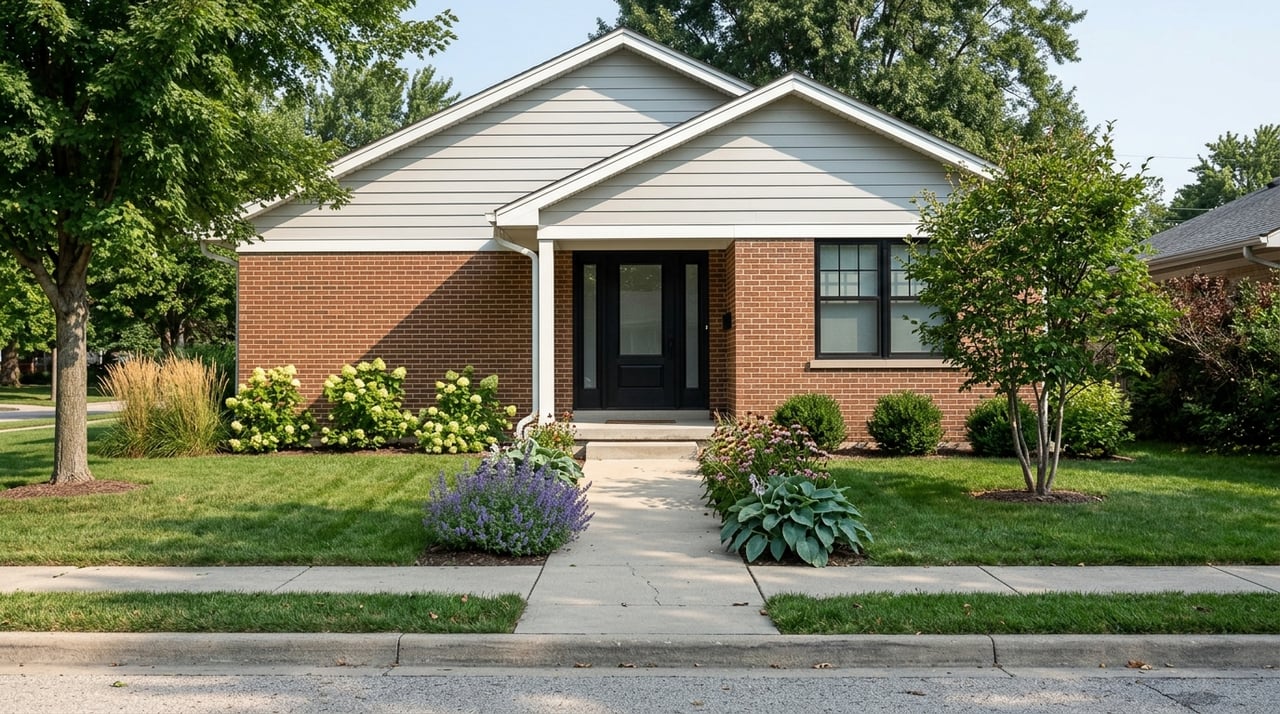
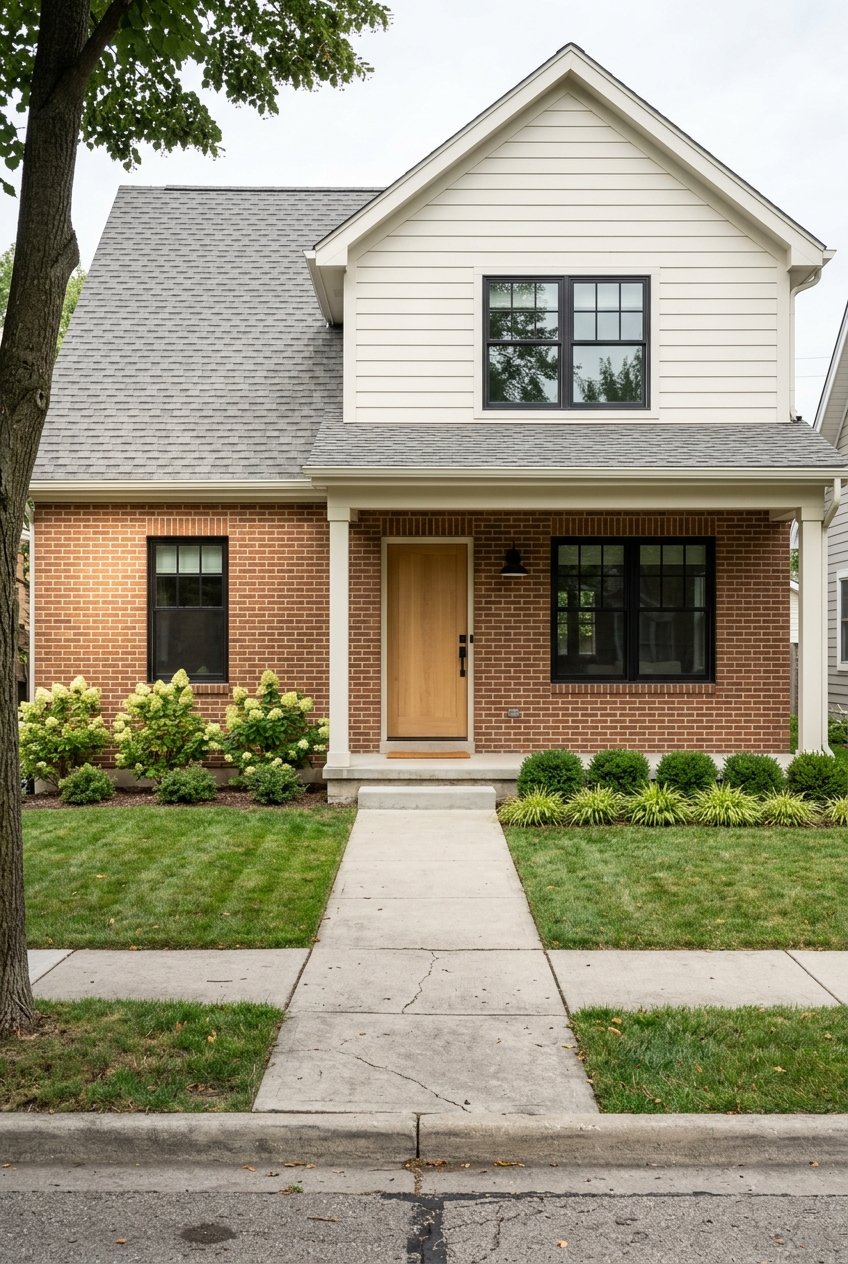
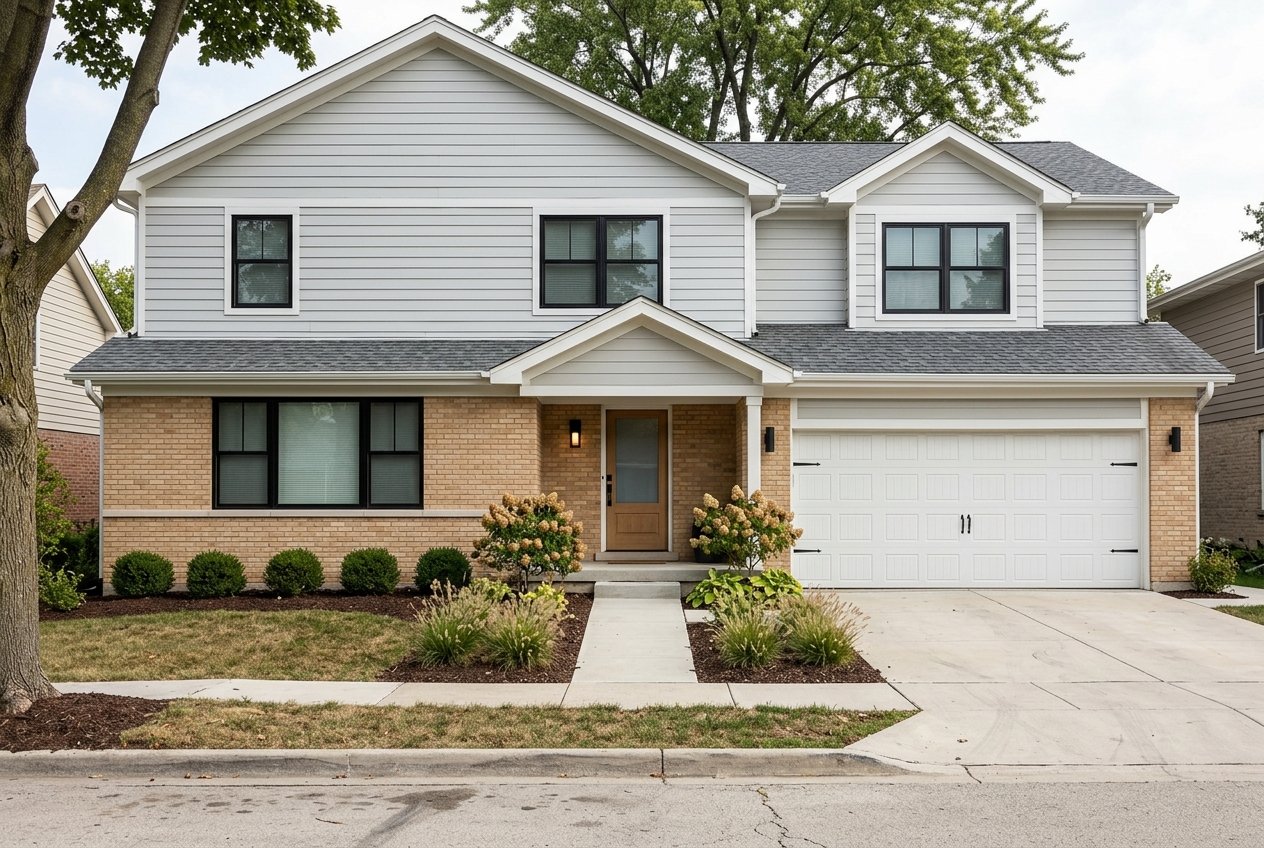
In real life, that often means denser housing patterns, more walkable surroundings, and more mixed-use blocks near rail stations and selected bus corridors. If you are searching for a home near transit, you may notice more condos, apartments, multi-unit buildings, and mixed building styles in these areas than in more car-oriented parts of the city.
One block can feel very different from the next
Still, station proximity does not tell the whole story. Chicago’s zoning is parcel-specific, and the city’s zoning map help page notes that zoning details cannot be described well only at a citywide or neighborhood level.
That means two homes near the same station can offer very different living experiences. One block may feel busier and more mixed-use, while another nearby block may have a very different building pattern, scale, or street feel.
What Buyers Should Look At Beyond the Station Map
A transit map is a great starting point, but it should not be your only filter. If you are buying a home near transit in Chicago, it helps to look at how the system fits your actual routine, not just the distance to the nearest station.
Here are a few details to weigh carefully:
- Walk time to the station or stop
- Which CTA line, bus route, or Metra line serves the home
- Whether you need 24-hour service
- How often you expect to transfer
- Whether parking matters for your household
- Whether elevator alerts or accessibility features are important
- How often you will use airport connections
- Whether the schedule fits your work and lifestyle
For many buyers, the best choice is not the home closest to transit. It is the home that best matches the way you actually move through the city.
Understanding Daily Costs and Commute Fit
CTA fare basics
CTA uses a fare structure that works well for frequent everyday use. According to CTA’s current fares, a standard bus fare is $2.25 and an L fare is $2.50, with free transfers for up to two additional rides within two hours.
CTA also offers 1-day, 3-day, 7-day, and 30-day passes. If you plan to use the system regularly, pass options can make your monthly budget easier to predict.
Metra fare basics
Metra works differently because it uses a zone-based fare system. Riders can choose from one-way, day, monthly, weekend, and regional pass options, depending on travel needs.
Metra also offers a Ventra app Regional Day Pass that can combine CTA, Pace, and selected Metra travel. If your routine mixes city and regional trips, that may be an important detail to compare.
Schedule fit matters as much as price
Cost is only one part of the decision. CTA says most train routes run from early morning until late evening, while the Red and Blue Lines run 24/7, and bus stops are usually one or two blocks apart.
Metra schedules vary by line, so timing can feel less flexible depending on where and when you travel. For some households, that is perfectly fine. For others, especially buyers with changing schedules, CTA access may be a better fit.
The Real Tradeoff: Convenience vs. Flexibility
Living near transit in Chicago is usually not a question of whether transit exists. The bigger question is how much flexibility you want to trade for convenience.
Chicago’s TOD approach supports more pedestrian-oriented areas with reduced parking near transit. That can be a strong match if you like walking more, driving less, and planning around service tools and schedules.
At the same time, some buyers want easier car storage, fewer transfers, or more control over late-night and weekend routines. There is no single right answer here. The best fit depends on your work pattern, budget, travel habits, and comfort with a more transit-centered lifestyle.
How to Choose the Right Transit-Adjacent Home
If you are comparing homes near CTA or Metra, it helps to think beyond the listing photos. Your best move is to match the property to your real routine, your monthly costs, and the type of convenience you care about most.
A smart home search often starts with questions like these:
- Do you want frequent in-city mobility or regional commuter access?
- Do you need 24-hour train service?
- Would airport access by train be useful for your household?
- Are you comfortable with reduced parking or a more walkable setup?
- How important are line-specific schedules, transfers, and service alerts?
- Do you want a condo, multi-unit building, or another housing type often found near transit corridors?
When you answer those questions early, your search gets much clearer. You stop chasing the idea of “near transit” and start focusing on the version of transit access that actually supports your life.
If you are exploring homes in Chicago or nearby parts of Chicagoland, working with an agent who understands both housing patterns and commute realities can save you time. Tatiana Hernandez brings a high-touch approach, practical mortgage-aware guidance, and local insight to help you compare options with confidence. When you’re ready to talk through your next move, connect with Tatiana Hernandez.
FAQs
What does living near transit in Chicago usually mean?
- In Chicago, it usually means living near CTA bus or rail service within the city or near a Metra station for broader regional commuting.
What is the difference between CTA and Metra in Chicago?
- CTA is generally better for frequent in-city travel, while Metra is designed more for regional and suburb-to-downtown commuting.
What should buyers check when choosing a home near Chicago transit?
- Buyers should look at walk time, the specific line or route, schedule fit, 24-hour service needs, parking needs, accessibility considerations, and how often they expect to transfer.
What is transit-oriented development in Chicago?
- Chicago’s transit-oriented development policy encourages more housing near rail stations and some high-ridership bus corridors, along with more walkable, pedestrian-friendly development and reduced parking.
Are all homes near Chicago transit similar?
- No. Because zoning is parcel-specific, housing type, building scale, and street character can vary a lot from one transit-adjacent block to the next.
How much does CTA cost for daily travel in Chicago?
- CTA lists a standard bus fare of $2.25 and an L fare of $2.50, with free transfers for up to two additional rides within two hours, plus several pass options.