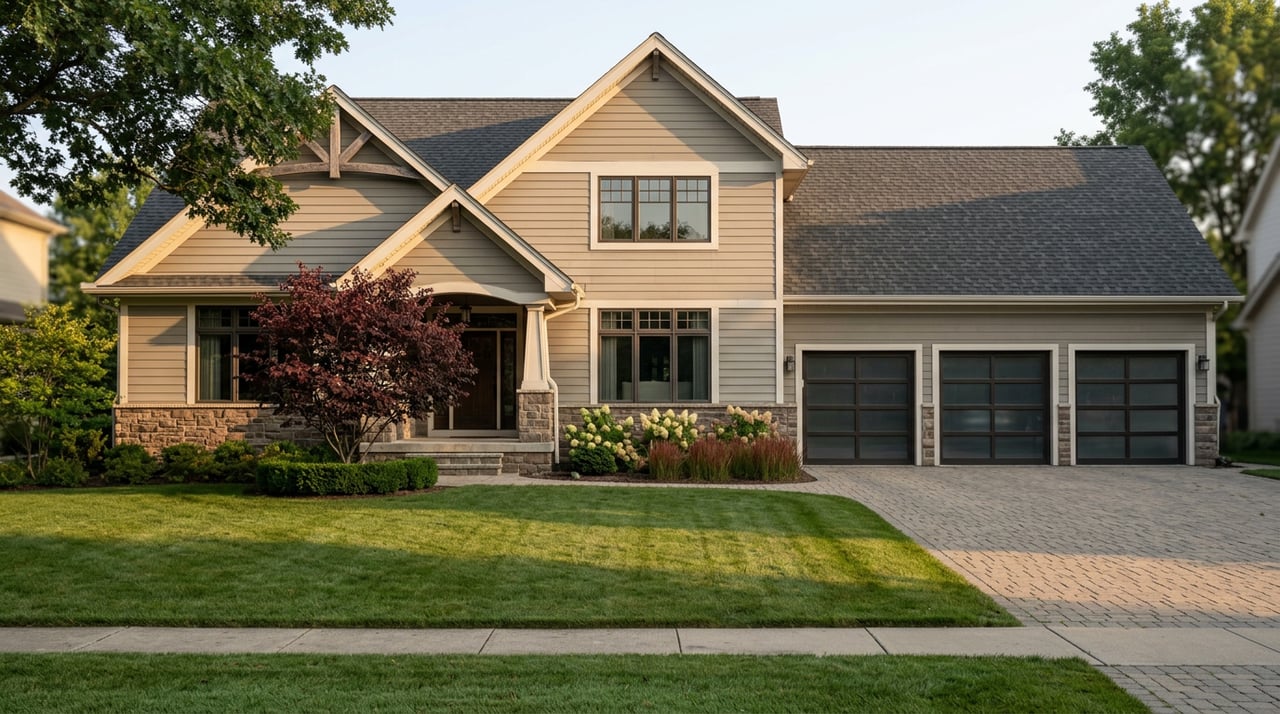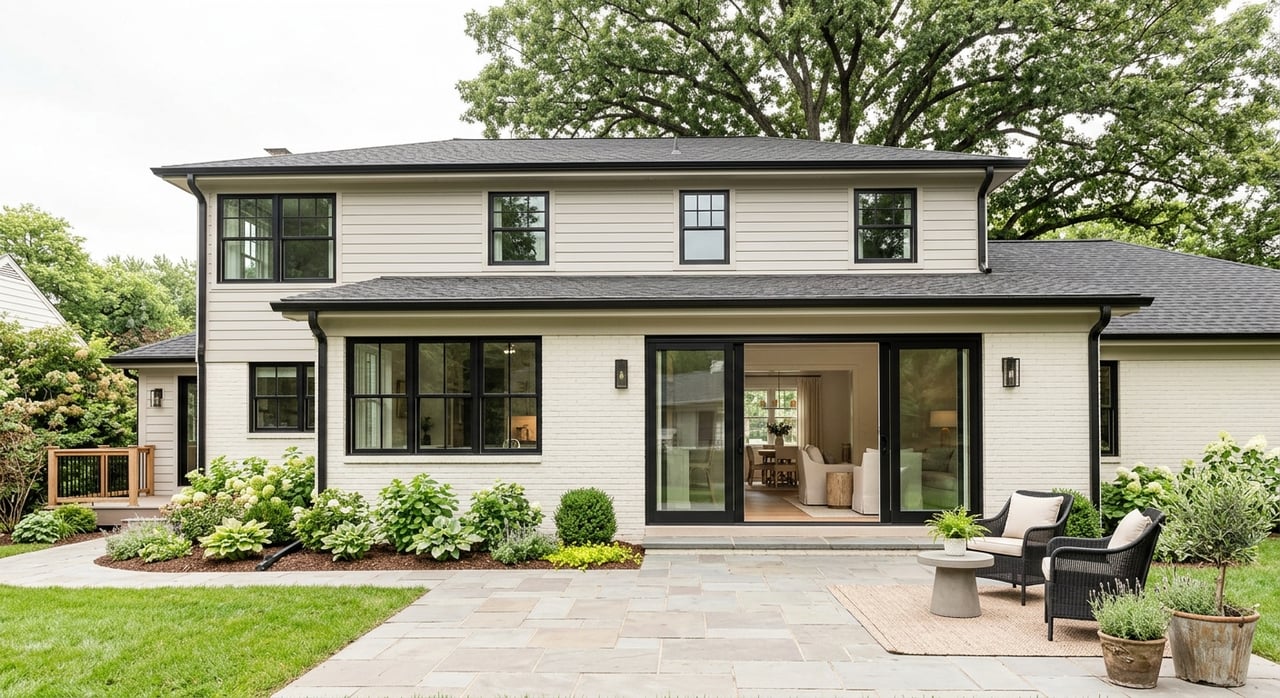
Feeling cramped, outgrown, or just ready for a home that fits your next chapter better? If you’re trying to move up in Downers Grove, you’re likely balancing two big goals at once: getting the most from your current home and landing the right next one without creating chaos in the process. The good news is that with a smart plan, clear numbers, and the right timing strategy, you can make a move-up purchase feel much more manageable. Let’s dive in.
Why move-up buying feels tricky
A move-up purchase is different from a first home purchase because you are managing two transactions instead of one. You are not just shopping for more space, a different layout, or updated features. You are also thinking about equity, mortgage timing, showings, closing costs, and how to avoid carrying too much stress at once.
In Downers Grove, that challenge can feel even bigger because the market is still competitive. Recent reports show median sale prices around the low to mid-$500,000s, homes often drawing multiple offers, and many listings moving quickly. That means your plan needs to be realistic, flexible, and ready to move when the right opportunity shows up.
What the Downers Grove market means for you
If you are moving up within Downers Grove, speed and preparation matter. Redfin reported a median sale price of $520,688 in May 2026, about 45 median days on market, and an average of 4 offers per home. Zillow reported a typical home value of $510,398, with homes going pending in around 7 days, while Realtor.com reported a median listing price of $494,450 and homes selling at about 99% of list price.
The exact figures vary by source, but the pattern is consistent. Homes are valuable, competition is real, and many sellers still expect strong offers. For you, that means the cleanest path is usually the one that starts with early planning instead of waiting until you find your dream home.
Start with your equity and budget
Before you tour homes, figure out what your move-up range really looks like. Fannie Mae recommends estimating your equity by subtracting your remaining mortgage balance from your home’s current market value. That gives you a starting point, not your final cash proceeds.
You should also budget for selling expenses, closing costs, and moving costs. Sale proceeds are typically used to pay off your current mortgage and other costs at closing, so your actual net may be lower than you expect. This is one of the most important stress-reducing steps because it helps you shop with confidence instead of guesswork.
Compare your three main timing options
Every move-up buyer usually lands on one of three paths: sell first, buy first, or coordinate both. The right choice depends on your equity, cash reserves, monthly comfort level, and how competitive you need your offer to be.
Sell first in Downers Grove
Selling first is often the most straightforward option if you want clarity. You learn what your home actually nets, you know how much cash you can use for the next purchase, and you reduce the risk of carrying two housing payments at once.
The tradeoff is timing. Once you accept an offer, Freddie Mac notes that the closing period is typically 30 to 45 days. If you have not already found your next home, you may need temporary housing or a very tight search timeline.
Buy first in Downers Grove
Buying first can work if you have strong finances and room to carry overlapping costs for a while. Some households use home equity through a HELOC or temporary bridge financing when they plan to sell the current home within 12 months.
Still, this option is not stress-free. Lenders look at your existing mortgage obligations along with taxes, insurance, and other recurring debts when deciding what you can afford. If the numbers are too tight, buying first can create more pressure instead of less.
Coordinate both transactions
A home sale contingency can help connect the two deals. This means your purchase depends on the successful sale of your current home, which can offer protection if you do not want to risk owning two homes at once.
However, in a competitive market, this can weaken your offer. Freddie Mac notes that sellers often view a home sale contingency as added risk because your current home still has to sell. In Downers Grove, where multiple offers are common, you may need to balance protection with competitiveness.
Strengthen your financing before you shop
Strong financing reduces stress because it keeps surprises to a minimum. CFPB recommends comparing at least three loan offers and requesting three preapprovals. Doing that in a short time generally should not have a major effect on your credit score, and it can save you money.
This matters even more in today’s rate environment. As of June 25, 2026, Freddie Mac’s national average 30-year fixed mortgage rate was 6.49%. Even a small change in rate, term, or down payment can shift your monthly payment enough to affect what feels comfortable.
What to compare on each loan offer
Do not focus only on the interest rate. Compare the full picture so you know what your next payment may really look like while your current home is still in the mix.
- Loan term
- Interest rate
- Down payment
- Monthly payment
- Whether property taxes are included
- Whether homeowners insurance is included
Preapproval letters are also not forever. CFPB notes that many expire in 30 to 60 days, so timing matters if your search stretches out.
Use offer terms to lower stress
In a market like Downers Grove, the strongest offer is not always just the highest price. Sellers may also favor fewer contingencies, a stronger earnest money deposit, or a closing timeline that fits their needs.
Freddie Mac says earnest money is commonly 1% to 5% of the purchase price and is typically held in escrow during closing. If your contingencies are not met, you can usually walk away without losing that money. If you back out without protection, you may forfeit it.
Smart offer details to discuss
The right offer structure depends on your risk tolerance and your timing plan. A few details can make a big difference in how competitive and comfortable your offer feels.
- Whether to include a home sale contingency
- How much earnest money makes sense
- How flexible your closing date can be
- Whether a rate lock fits your timeline
- Which contingencies are necessary and which may weaken the offer
Consider a rate lock carefully
If your closing date feels uncertain, a rate lock may help protect you from rising rates between contract and closing. CFPB explains that a lock freezes the rate for a set period as long as the loan closes in that window and your application does not materially change.
That said, a rate lock is not automatic protection forever. If closing gets delayed, extensions can be expensive. For move-up buyers trying to coordinate a sale and purchase, that makes timing conversations especially important early in the process.
Plan for Downers Grove closing costs and taxes
One helpful local detail is that the Village of Downers Grove does not require transfer stamps or transfer taxes on the sale of real estate. That can simplify part of the closing picture compared with places that charge local transfer taxes.
You should still plan for other common costs. Closing costs can include appraisal fees, title insurance, government taxes, and prepaid expenses such as property taxes, homeowners insurance, and interest until your first payment is due. Seller or lender credits may reduce cash needed at closing, but they usually involve a tradeoff with price, rate, or loan amount.
Keep property tax timing in mind
Downers Grove notes that DuPage County issues property tax bills on or about May 1 for the preceding tax year. Illinois property taxes are generally paid in two installments. If you are coordinating a sale and purchase, this timing can affect your cash flow and your closing statement, so it is worth reviewing in advance.
Prepare your current home early
Your next purchase plan is only as strong as your current home’s sale plan. Fannie Mae notes that sellers should review contract terms carefully and be ready for showings, repairs, and staging if they want the best chance of a timely sale.
This is where early prep can reduce stress in a big way. If you handle maintenance, decluttering, and presentation before you list, you are in a better position to hit the market quickly when the timing is right. In a competitive area like Downers Grove, that preparation can help you attract stronger offers faster.
A simple move-up game plan
If you want the smoothest path possible, keep the process simple and organized. You do not need to solve everything at once. You just need a plan that fits your finances and the local market.
Step-by-step checklist
- Estimate your current equity.
- Budget for mortgage payoff, closing costs, and moving expenses.
- Compare at least three loan offers and get preapproved.
- Decide whether selling first, buying first, or coordinating both fits you best.
- Prepare your current home for showings, repairs, and staging.
- Build an offer strategy that matches Downers Grove competition.
- Review timing for closing, possession, and possible temporary housing.
The bottom line for move-up buyers
Moving up in Downers Grove does not have to feel overwhelming, but it does require a clear strategy. In a market where homes can move fast and sellers may prefer stronger, cleaner offers, the households with the least stress are usually the ones that know their numbers, understand their timing options, and prepare early.
If you want a plan that balances your sale, your purchase, and your monthly comfort level, working with a local agent who understands financing and neighborhood-level market conditions can make a real difference. If you’re ready to map out your next move in Downers Grove, connect with Tatiana Hernandez for thoughtful, hands-on guidance in English or Spanish.
FAQs
How competitive is move-up buying in Downers Grove right now?
- Downers Grove remains competitive, with recent reports showing sale prices around the low to mid-$500,000s, multiple offers on many homes, and homes often moving quickly.
What does selling first mean for a Downers Grove move-up buyer?
- Selling first can give you more certainty about your net proceeds and budget, but you may need to buy on a tighter timeline or consider temporary housing during the typical 30 to 45 day closing period.
Can a Downers Grove move-up buyer purchase a new home before selling the current one?
- Yes, but lenders still consider your current mortgage, taxes, insurance, and other debts, so this option usually works best when you have enough financial room for overlapping costs.
Is a home sale contingency realistic in the Downers Grove market?
- It can work, but it may make your offer less appealing because sellers may see it as added risk in a market where multiple offers are common.
How much earnest money should a Downers Grove buyer expect?
- Freddie Mac says earnest money is commonly 1% to 5% of the purchase price, though the right amount depends on your offer strategy and comfort level.
Are there transfer taxes on home sales in Downers Grove?
- The Village of Downers Grove states that it does not require transfer stamps or transfer taxes on the sale of real estate.
How long does a mortgage preapproval last for a Downers Grove home search?
- CFPB notes that many preapproval letters expire in 30 to 60 days, so you may need an update if your search or timing changes.
Should a Downers Grove move-up buyer lock a mortgage rate?
- A rate lock can reduce stress if timing is uncertain, but it only lasts for a set period and extensions can be costly if closing is delayed.